Acne Treatment Outcomes and What Progress Looks Like
Share
A breakout can feel like a referendum on every product you own. You may wake up to fewer active blemishes but still see red marks, clogged pores, or a new hormonal flare along the jawline. That is why acne treatment outcomes should be measured with more care than a single clear-skin photo. Real progress is usually quieter at first: less tenderness, fewer deep lesions, quicker recovery, and skin that can tolerate its routine without feeling stripped.
For skin that never grew out of acne, the goal is not to attack every blemish with the strongest possible product. The goal is to reduce the conditions that keep breakouts cycling while protecting the barrier that helps skin heal. A consistent, professionally guided routine can make that process far less confusing.
Acne Treatment Outcomes Are More Than Clear Skin
Clearer skin matters, but it is only one measure of success. Acne can leave behind inflammation, discoloration, uneven texture, and the understandable urge to change products every few days. A productive treatment plan accounts for all of it.
In the early weeks, the best sign may be that your pimples are less inflamed or that they resolve without lingering for as long. You may notice fewer clusters of clogged pores around the chin, hairline, or cheeks. If your skin used to feel tight, shiny, and irritated at the same time, improved comfort is meaningful progress too. Healthy skin is better able to tolerate acne-focused ingredients and less likely to react to every new product or treatment.
Post-acne marks deserve their own expectation. Red or brown discoloration can remain after the breakout itself has calmed, particularly in deeper skin tones or after picking. That does not necessarily mean the acne treatment failed. It means the skin is in its repair phase, which often requires continued barrier care, daily sun protection, and patience.
Why Results Do Not Follow a Straight Line
Acne is influenced by oil production, follicular congestion, inflammation, hormones, stress, medication, cosmetics, and genetics. Your skin can improve overall and still break out before a period, after travel, during a stressful work week, or when a new hair product transfers onto the forehead. One blemish is not a verdict on the entire routine.
Treatment timing also depends on the type of acne. Small, persistent clogged bumps often respond differently than painful, deeper inflammatory acne. A routine may begin to improve texture and congestion within several weeks, while visible inflammatory acne can require a longer runway. The deeper the lesion, the longer it may take to resolve.
There is also a difference between a temporary adjustment period and ongoing irritation. Vitamin A-based skincare can be highly valuable for supporting more normal-looking skin texture and reducing the appearance of congestion over time, but it must be introduced appropriately. Dryness, flaking, stinging, or increasing redness are not signs that a product is working harder. They are signs that the routine may need less frequency, more support, or a different starting point.
The barrier affects the outcome
Over-cleansing, aggressive scrubs, frequent exfoliating acids, and spot-treating every inch of the face can create a frustrating loop. Skin becomes tight and sensitized, inflammation becomes more visible, and new products sting on contact. When the barrier is compromised, it is harder to stay consistent with the treatment plan that could actually help.
This is why a complete acne routine matters. Cleansing, toning when appropriate, targeted treatment, moisturizing support, and daily SPF each have a job. Skipping moisturizer because your skin is oily is a common mistake. Oily skin can still be dehydrated, sensitized, and in need of a formula that supports rather than smothers it.
What a Realistic Timeline Can Look Like
There is no universal calendar for acne, but setting reasonable checkpoints prevents both false promises and premature product hopping.
During the first two to four weeks, focus on tolerance and consistency. Skin should feel reasonably comfortable after cleansing and treatment. You may see minor dryness while adjusting to active products, but persistent burning, rawness, or worsening irritation is a reason to pause and get guidance.
From about four to eight weeks, many people start noticing fewer new blemishes, less severe inflammation, or faster healing. Congestion may begin to look less dense. This is the stage when consistency matters most, even if discoloration makes your skin appear less improved than it truly is.
At eight to twelve weeks, the pattern becomes easier to evaluate. Are active breakouts becoming less frequent? Are deep blemishes less painful? Is your skin recovering faster? Are you using the routine consistently without excessive dryness? These questions provide a much clearer picture than counting a single bad week.
More stubborn acne, especially acne tied to hormonal shifts, may require a longer-term plan and medical evaluation. If you have cystic lesions, acne scarring, sudden severe acne, or acne that is affecting your confidence and daily life, a dermatologist should be part of the conversation. Professional skincare and medical care can complement each other. You do not have to choose one or the other.
How to Improve Your Odds of Better Results
The most effective routine is usually the one you can follow calmly and consistently. Resist the urge to introduce a new exfoliant, mask, device, or viral spot treatment every time a blemish appears. Changing too many variables makes it difficult to know what is helping and increases the risk of irritation.
Start with a clear baseline. Take photos in the same lighting every two to four weeks, and pay attention to where acne appears, how long lesions last, and whether they are tender. This creates useful information for your esthetician or dermatologist, especially when your skin seems to be changing slowly.
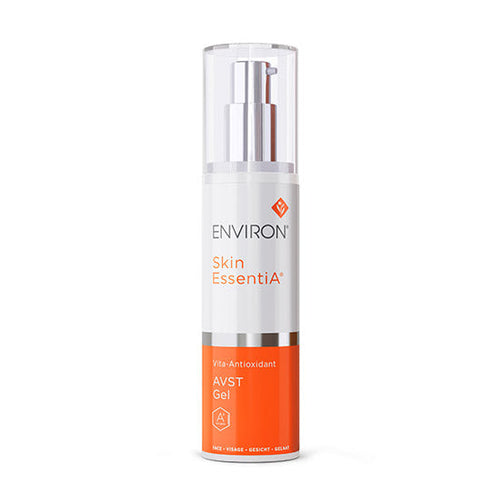
Use targeted active products as directed, not more often than directed. With vitamin A, progression is especially important. A step-up approach allows your skin to build tolerance gradually instead of overwhelming it. Environ's approach to vitamin A skincare is designed around this kind of measured progression, but the appropriate level and frequency depend on your skin, your current routine, and your history of sensitivity.
Keep the rest of the routine supportive. Choose cleansing that leaves skin clean but not squeaky, use a moisturizer that feels comfortable enough to wear daily, and make sunscreen non-negotiable. Daily sun exposure can deepen the appearance of post-acne marks and makes skin look more uneven while it is healing.
Avoid picking when possible. This advice can sound simple, but it is one of the most practical ways to protect your outcomes. Picking can drive inflammation deeper, prolong discoloration, and increase the risk of scarring. If you struggle with recurring congestion or the urge to extract at home, professional treatments may offer a safer outlet.
When Your Routine Needs an Adjustment
A plan should be adjusted when it is clearly not tolerable, not consistent with your needs, or not producing an encouraging trend after a reasonable period. Constant dryness and stinging are not something to push through. Neither is acne that becomes more painful, widespread, or emotionally difficult to manage.
Sometimes the adjustment is simple: reduce active-product frequency, simplify the cleanser, or add more barrier support. Other times, the issue is that the routine is incomplete. A single acne serum rarely replaces a thoughtful regimen. It may also be time to look at makeup, hair products, shaving habits, workout clothing, or any product that repeatedly contacts breakout-prone areas.
For clients in Attleboro and the surrounding area, an in-person esthetician visit can be useful when you need help identifying congestion, sensitivity, post-acne marks, or the right treatment pace. A virtual consultation can offer the same kind of routine clarity if you are building your regimen from home. The point is not to add more products. It is to make each step earn its place.
Your skin's best chapter does not begin when every pore looks perfect. It begins when you have a plan you understand, products your skin can tolerate, and enough expert guidance to stay steady through the normal ups and downs of acne recovery.