Acne Facials: What Helps and What Can Backfire
Share
A facial can feel like the obvious answer when your skin is breaking out, clogged, and refusing to settle down. But acne facials are not interchangeable. A treatment that is too aggressive, too exfoliating, or poorly matched to your acne can leave you with more inflammation, more dehydration, and a longer recovery period than you expected.
The right facial should do more than make your skin look temporarily cleaner. It should support the work of a consistent home routine: reducing congestion carefully, calming visible redness, protecting the barrier, and helping your skin tolerate the professional-grade ingredients that create change over time.
What acne facials should actually do
Acne is not simply a surface-level cleanliness problem. It involves clogged pores, excess oil, inflammation, bacteria, hormonal shifts, and, often, a compromised skin barrier from years of trying to scrub or dry the problem away. That is why a good acne facial begins with assessment, not a one-size-fits-all treatment menu.
A licensed esthetician should look at the type of breakouts you have, where they appear, how inflamed they are, and what your skin is currently using. Small, stubborn bumps across the forehead and jaw may need a different approach than painful cystic breakouts, widespread redness, or acne accompanied by flaking and tightness.
Professional acne facials may include a thorough but non-stripping cleanse, gentle exfoliation when appropriate, careful extractions, calming masks, hydration, and targeted light or electrical modalities. The goal is to clear what can be safely cleared while keeping your skin calm enough to heal. That balance matters. Skin that is repeatedly irritated is more likely to feel tight, produce oil unpredictably, and hold onto post-breakout redness or discoloration.
Extractions can help, but they are not the whole treatment
Many people book a facial specifically for extractions, especially when blackheads and closed comedones make the skin feel bumpy. Done correctly, extractions can remove compacted debris from pores and provide visible improvement quickly. Done too forcefully, they can create broken capillaries, prolonged redness, scabbing, and marks that linger long after the original congestion is gone.
Not every blemish should be extracted. Inflamed pustules, deep cysts, and lesions that are not ready to release need restraint. Trying to force them out may push inflammation deeper into the skin and increase the chance of scarring.
This is one reason professional judgment matters. An esthetician is not there to extract every pore at all costs. They are there to decide what your skin can safely handle that day, then build a plan that reduces the need for aggressive extraction over time.
When exfoliation helps - and when it backfires
Exfoliation is often part of acne care because dead skin cells can mix with oil and contribute to clogged pores. Yet more exfoliation is not automatically better. If you are using prescription acne medication, benzoyl peroxide, acids, retinoids, or a high-strength vitamin A routine, your skin may already be working hard.
A facial that layers scrubs, acids, peel pads, and cleansing brushes onto an already sensitized face can trigger burning, peeling, and more visible redness. You may mistake that reaction for the treatment “working,” when it is actually a sign that the barrier needs support.
The best choice depends on your skin's readiness. Some clients benefit from a mild professional exfoliation followed by hydration and calming support. Others need a treatment focused almost entirely on cleansing, hydration, and inflammation control before active exfoliation makes sense. If your skin stings when you apply basic moisturizer, feels papery, or flakes around active breakouts, it is usually time to step back rather than push harder.
Acne facials work best with a structured home routine
A facial is a reset, not a replacement for daily care. The products you use between appointments determine whether pores begin to stay clearer or refill with congestion. For skin that never grew out of acne, this usually means a disciplined routine that cleanses without stripping, supports healthy skin function, and introduces corrective ingredients gradually.
Vitamin A is a cornerstone ingredient in many professional acne routines because it supports more normalized skin cell behavior and can help improve the look of congestion and uneven texture over time. But it must be introduced thoughtfully. Starting too strong, using it too often, or pairing it with every active product in your cabinet can leave skin reactive and dehydrated.
A professional-guided step-up system gives your skin a chance to adapt. It also makes it easier to identify what is helping and what is causing irritation. Rather than chasing a new viral product every week, stick with a complete routine long enough to evaluate it. Acne improvement is rarely linear, especially around hormonal cycles, stress, travel, or changes in medication.
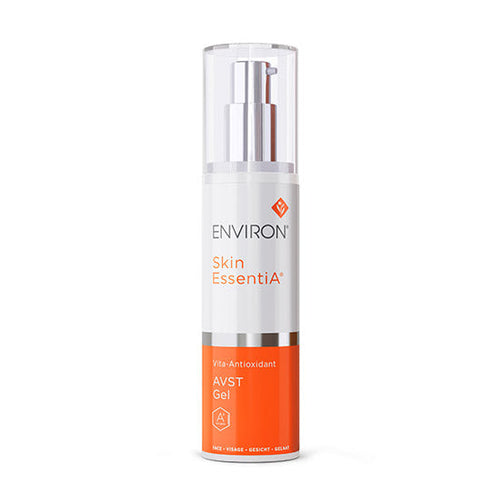
At Celtic Spa Skincare, licensed esthetician guidance helps take the guesswork out of choosing an Environ routine that matches your skin's current tolerance, not just your long-term goals.
What to avoid before and after a facial
Preparation and aftercare can make a major difference in how your skin responds. Before your appointment, let your esthetician know about prescription medications, recent peels, waxing, sun exposure, pregnancy, and every active product you use. This is not extra information. It affects what can be safely performed.
For several days before a treatment, avoid experimenting with new acids, scrubs, or masks. If you use a retinoid or other strong active, ask your esthetician whether you should pause it beforehand. The answer depends on the product, your skin condition, and the type of facial planned.
Afterward, resist the urge to inspect every pore or add a spot treatment to every red area. Keep the routine calm and simple. Use gentle cleansing, barrier-supportive hydration, and daily sunscreen. Avoid picking, sauna heat, intense workouts, and heavy makeup if your skin feels warm or tender. Your esthetician can give more specific timing based on the treatment performed.
How often should you get acne facials?
There is no universal schedule. Some people with active congestion benefit from appointments every four to six weeks, while others do better with less frequent maintenance treatments once their home routine is working. Skin that is inflamed, dehydrated, or adapting to corrective products may need a gentler pace.
The key is to watch the trend, not chase overnight perfection. Are new breakouts less inflamed? Are clogged areas clearing more easily? Is your skin recovering faster after a blemish? Are you seeing less tightness and fewer cycles of overcorrecting? Those are useful signs that your treatment plan is moving in the right direction.
If you have deep, painful, widespread, or scarring acne, a facial can still support your skin, but it may not be enough on its own. Dermatology care may be needed alongside esthetic treatment, particularly when prescription options or medical evaluation are appropriate. That is not a failure of skincare. It is the right level of care for the condition.
Choosing a facial that respects your skin
Look for an esthetician who asks questions before touching your skin, explains why they are recommending each step, and is willing to modify the treatment when your skin is reactive. Be cautious of promises to “purge everything,” harsh treatment plans that leave you peeling for days, or facials built around a single trendy ingredient without considering your full routine.
Clearer skin is usually built through steady correction, not punishment. The facial that serves you best may feel less dramatic than an aggressive treatment, but it should leave your skin supported, informed, and better prepared for the progress that comes from consistent care.