Best Ingredients for Redness, According to Estheticians
Share
That hot, flushed feeling after cleansing, a workout, one glass of wine, or a new product is more than a cosmetic annoyance. Redness often signals that skin is irritated, dehydrated, or struggling to maintain its protective barrier. The best ingredients for redness do not simply cover the look of a flush. They help skin hold onto water, reduce avoidable irritation, and become more resilient over time.
For skin that feels reactive, the goal is not to throw every soothing product at the problem. It is to build a disciplined routine with a few well-chosen ingredients, then give that routine enough consistency to work. Redness can be linked to sensitivity, acne, rosacea-prone skin, over-exfoliation, sun exposure, hormonal shifts, or a barrier that has been pushed too far. The right approach depends on what your skin is telling you.
Best Ingredients for Redness and a Stressed Barrier
Ceramides: support the skin's protective seal
Ceramides are naturally occurring lipids that help hold skin cells together. Think of them as part of the mortar between bricks: when that mortar is depleted, water escapes more easily and irritants gain easier access. The result can be tight, thirsty, dehydrated skin that stings, flakes, or turns red at the slightest provocation.
Ceramide-rich moisturizers are especially helpful when redness arrives alongside dryness or sensitivity. They do not work as an instant color corrector, but consistent use can improve the comfort and stability of the skin barrier. Look for a moisturizer that feels protective without being overly heavy for your skin type. Acne-prone skin may prefer a lighter lotion, while mature or very dry skin may need a richer cream.
Panthenol: calm discomfort while supporting hydration
Panthenol, also called provitamin B5, is one of the most useful ingredients for skin that feels irritated or tender. It acts as a humectant, helping attract and retain water, while also supporting a softer, more comfortable skin surface.
This is a strong choice after a period of overdoing active products, during dry weather, or when a compromised barrier makes nearly everything sting. Panthenol pairs well with ceramides, glycerin, and hyaluronic acid because it supports hydration without relying on aggressive exfoliation or high-strength treatment actives.
Glycerin and hyaluronic acid: bring water back to dehydrated skin
Redness is not always caused by dryness, but dehydration can make a red complexion look more pronounced and feel more reactive. Glycerin is a dependable humectant that draws water into the upper layers of skin. Hyaluronic acid also binds water and can help skin look smoother and less tight.
The trade-off is that humectants need to be followed by a moisturizer that helps seal in hydration. If you apply a lightweight hydrating serum and stop there, very dry skin may still feel tight. Use it on slightly damp skin, then follow with an appropriate moisturizer. This simple layering habit can make a meaningful difference for skin that feels chronically parched.
Niacinamide: strengthen and rebalance, at the right strength
Niacinamide, a form of vitamin B3, can support barrier function, help improve uneven tone, and reduce the look of redness over time. It is particularly useful for people whose redness overlaps with oily skin, visible pores, post-breakout marks, or a weakened barrier.
More is not necessarily better. Some reactive complexions do beautifully with lower concentrations, while very high percentages can cause warmth, tingling, or flushing for others. If your skin is sensitive, introduce niacinamide gradually and avoid adding it during an active flare when even gentle formulas may feel uncomfortable.
Azelaic acid: a smart option for redness with bumps or breakouts
Azelaic acid deserves special attention when redness comes with acne, congested pores, uneven tone, or rosacea-like bumps. It is a multifunctional ingredient that can help normalize skin shedding, support clearer pores, and improve the appearance of persistent redness and discoloration.
It can still tingle, especially when your barrier is already compromised. Begin with a few nights per week and avoid pairing it immediately with strong exfoliating acids, scrubs, or a new retinoid. If you have diagnosed rosacea, frequent burning, or visible broken capillaries, professional guidance is the better starting point. Persistent redness is not something to self-treat aggressively.
Green tea and antioxidant support: defend skin without creating drama
Green tea, vitamin E, and other well-formulated antioxidants can be helpful additions to a redness-focused routine. They help defend against environmental stressors that may contribute to inflammation and visible redness, including UV exposure and pollution.
Vitamin C can also be valuable for overall skin health and uneven tone, but formulation matters. Some low-pH vitamin C products are too stimulating for reactive skin, particularly during a flare. If traditional L-ascorbic acid stings, a gentler antioxidant formula or a slower introduction may be more appropriate. Calm skin first, then build your corrective plan.
Where Vitamin A Fits in a Redness Routine
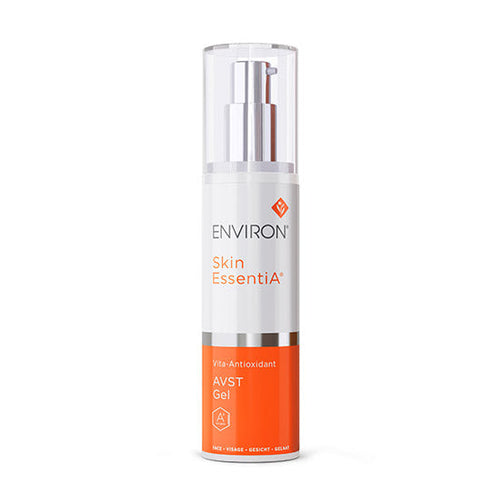
Vitamin A is a cornerstone of professional skincare because it supports healthier-looking skin, smoother texture, clearer pores, and more even tone. But timing and progression matter. Skin that is actively burning, peeling, or inflamed does not need a dramatic jump into a stronger retinoid.
A step-up vitamin A system allows the skin to acclimate gradually, which is especially important for clients who have a history of sensitivity, acne, or redness. The aim is not to avoid vitamin A forever. It is to use it with the right starting point, frequency, and supporting hydration so your skin can benefit without entering a cycle of irritation.
This is where a structured routine is more useful than a drawer full of single products. A gentle cleanser, hydrating toner or serum, correctly selected vitamin A treatment, and barrier-supportive moisturizer create a more reliable path than alternating between harsh actives whenever redness appears. At Celtic Spa Skincare, licensed estheticians can help identify a sensible Environ starting level based on your current skin condition and previous retinoid experience.
Ingredients and Habits That Can Make Redness Worse
A calming ingredient list can only do so much if the rest of the routine is constantly creating irritation. Fragrance, essential oils, abrasive facial scrubs, alcohol-heavy toners, and frequent high-strength acid use are common triggers for reactive skin. That does not mean every fragranced product is automatically harmful or every exfoliant is off limits. It means skin that is red, tender, and unpredictable needs less stimulation while it recovers.
Be especially cautious about stacking active ingredients. Using an exfoliating acid, retinoid, acne treatment, and vitamin C serum in the same routine may be tolerable for resilient skin, but it can overwhelm a compromised barrier. Simplify first. Once your skin is comfortable and stable, add one treatment at a time and watch for delayed irritation over the next several days.
Daily sunscreen is equally non-negotiable. UV exposure can intensify visible redness, worsen discoloration after inflammation, and make an already sensitive complexion harder to manage. Choose a broad-spectrum sunscreen you will wear consistently. For some redness-prone clients, mineral filters such as zinc oxide may feel more comfortable, though the best formula is ultimately the one your skin tolerates and you will apply every morning.
Build a Routine That Lets Skin Settle
For a straightforward redness-support routine, cleanse gently with lukewarm water, not hot water. Follow with a hydrating product featuring ingredients such as panthenol, glycerin, or hyaluronic acid, then use a barrier-supportive moisturizer. Add sunscreen in the morning. At night, introduce a targeted treatment such as azelaic acid or a professionally guided vitamin A product only when your skin is ready.
Give the routine at least several weeks of consistency before judging it, unless you experience burning, swelling, hives, or a worsening rash. Those are reasons to stop the new product and consult a qualified medical professional. Redness that is persistent, painful, accompanied by eye irritation, or triggered by almost everything deserves a closer assessment.
Your skin does not need punishment to change. It needs a routine that respects its current limits, protects its barrier, and steadily moves it toward stronger, calmer days.