Best Cleansers for Congested Skin That Work
Share
Congestion is not always an acne problem, and treating it like one can leave skin even more irritated. Those stubborn bumps along the jawline, rough texture across the forehead, blackheads around the nose, and pores that seem to refill overnight usually need a more disciplined approach. The best cleansers for congested skin remove the day without stripping the barrier, then support the treatment steps that actually help pores function more normally.
A cleanser matters, but it is rarely the product that resolves persistent congestion on its own. Think of it as the foundation of your routine. If cleansing is too harsh, skin may become tight, dehydrated, and reactive. If it is too rich or leaves a heavy film, makeup, sunscreen, oil, and dead surface cells can linger. The right choice depends on what is sitting in your pores, how sensitive your skin feels, and what active products you use after cleansing.
What Congested Skin Actually Needs
Congestion develops when oil, dead skin cells, sunscreen, makeup, and environmental debris collect inside or around the pore. Hormonal shifts can make it worse, especially around the chin and jawline. So can overusing scrubs, washing too aggressively, skipping cleansing after exercise, and layering heavy products that do not suit your skin.
The visible result may be blackheads, closed comedones, uneven texture, enlarged-looking pores, or skin that never grew out of acne. But congestion and inflammation are not identical. A face covered in tender, red breakouts needs a different pace than skin with mostly tiny flesh-colored bumps. Likewise, dry, flaky skin can still be congested. Oil is not the only factor.
A good cleanser should lift away surface buildup while respecting the skin barrier. Your barrier is what helps skin retain water and tolerate corrective ingredients such as vitamin A, exfoliating acids, and targeted serums. When it is compromised, you may see more stinging, redness, flaking, and a frustrating cycle of treating harder while getting nowhere.
The Best Cleansers for Congested Skin Are Not Always Foaming
There is no single cleanser texture that wins for every congested complexion. The best fit comes down to skin behavior, not a trend or a harsh “deep clean” feeling.
For oily skin with blackheads and excess shine
A gentle gel or low-foam cleanser is often a strong starting point. Look for a formula that rinses cleanly without leaving your face squeaky or tight. A light foam can be helpful when you wear water-resistant sunscreen, makeup, or produce noticeable oil through the day, but high-foaming surfactants can be too aggressive for some people.
If your skin tolerates it, a salicylic acid cleanser may help keep oil and dead cells from accumulating inside pores. Salicylic acid is oil-soluble, which makes it especially relevant for blackheads and recurring congestion. The trade-off is that a wash-off formula has limited contact time, and using it twice daily alongside exfoliating leave-on products can lead to dryness. Start slowly rather than assuming more acid means faster results.
For dry or dehydrated skin with clogged pores
Choose a cream, lotion, or gentle gel cleanser that removes sunscreen and makeup without leaving a residue-heavy finish. Dehydrated skin can feel tight after cleansing but still develop blocked pores, particularly when it is compensating with excess oil or relying on thick occlusive products that are not a match for the climate or routine.
Avoid chasing a stripped feeling. That immediate “clean” sensation is often a sign you have removed too much of the skin’s protective lipid layer. A barrier-respecting cleanser makes it easier to introduce corrective products consistently, which is where longer-term texture improvement happens.
For sensitive, red, or over-treated skin
When skin stings, flakes, or turns red easily, keep the cleanser exceptionally simple. Skip physical scrub particles, cleansing brushes, strong fragrance, and repeated acid cleansing until skin is calmer. A gentle, non-abrasive cleanser used with lukewarm water is usually the better choice.
This can feel counterintuitive when you are dealing with bumps, but irritation can mimic or worsen congestion. If you have recently started retinoids, undergone a treatment, or used too many exfoliants, your first job may be to stabilize the barrier before asking skin to tolerate more active ingredients.
For makeup, sunscreen, and city buildup
If you wear long-wear makeup or generous daily sunscreen, consider a two-step evening cleanse. Begin with a gentle cleansing oil, balm, or micellar-style remover that breaks down makeup and water-resistant filters. Follow with a water-based cleanser suited to your skin type.
Double cleansing is not necessary every morning, and it should never leave your skin dry. It is simply a practical option for making sure your treatment products are applied to clean skin rather than a layer of leftover makeup or sunscreen.
Ingredients to Look For and Ingredients to Question
Salicylic acid can be useful for recurring blackheads and clogged pores, particularly if your skin is oily and resilient. Gentle humectants and skin-conditioning ingredients support comfort during cleansing. Mild surfactants matter too, although ingredient lists do not always tell the entire story of how a finished formula will feel on your skin.
Be more cautious with gritty scrubs, harsh astringent cleansers, aggressive cleansing tools, and products that make your face feel tight within minutes. These approaches can temporarily make skin feel smoother by removing surface flakes, yet they do not resolve the reason congestion keeps returning. They may also create tiny amounts of irritation that make texture look worse.
Fragrance is not automatically a problem for every person, but it is unnecessary when skin is inflamed, reactive, or in a corrective routine. If your current cleanser leaves you burning, red, or unusually dry, that is useful feedback, not something to push through.
How to Build a Routine Around Your Cleanser
For most people, cleanse in the evening with enough care to remove the day. In the morning, a gentle cleanse or even a water rinse may be enough, depending on your skin, climate, and nighttime products. Oily skin may prefer morning cleansing; dry or sensitized skin often benefits from less.
After cleansing, apply treatment products in a deliberate order. A vitamin A-based routine can support more normal skin cell turnover over time, while targeted exfoliating products may be introduced when appropriate. The key is progression. Starting several potent products at once makes it almost impossible to identify what is helping and what is causing irritation.
Follow with a moisturizer that supports hydration without feeling suffocating on your skin, and use broad-spectrum sunscreen every morning. Sunscreen is not optional in a corrective routine. It helps protect against post-breakout marks and prevents the cycle of inflammation and discoloration from becoming more visible.
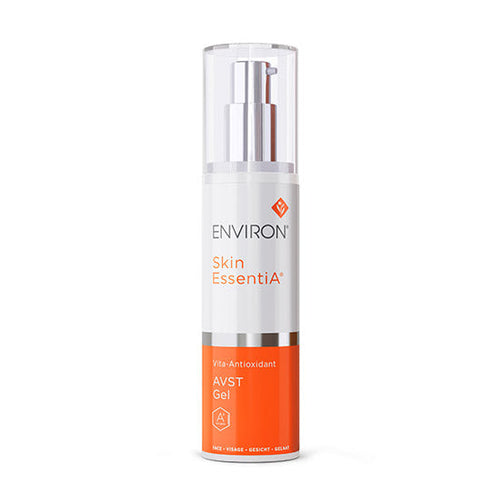
Professional-grade systems such as Environ are designed around gradual vitamin A progression, which can be especially helpful for people who have bounced between harsh acne products and heavy moisturizers without a clear plan. Your cleanser should make that routine easier to tolerate, not compete with it.
Common Cleansing Mistakes That Keep Pores Looking Blocked
Washing your face more often is not necessarily better. Twice a day is enough for most people, with an additional gentle cleanse after a sweaty workout if needed. Scrubbing with a washcloth, brush, or exfoliating grains can make bumps feel temporarily polished while inflaming the surrounding skin.
Another common issue is leaving cleanser on the face too briefly or rinsing poorly around the hairline, jaw, and sides of the nose. Use lukewarm water, massage gently for about 30 to 60 seconds, and rinse thoroughly. Pat dry with a clean towel rather than rubbing.
Finally, give a new cleanser time, but not endless time. If a formula consistently leaves your skin tight, itchy, or newly bumpy after several uses, it is not the right match. If congestion remains unchanged after eight to twelve weeks of a thoughtful routine, or breakouts are painful and scarring, personalized guidance is worth seeking.
The most effective cleanser is the one that your skin can use consistently while you address the deeper causes of congestion. A calm, supported barrier gives corrective skincare a real chance to work, and that is where clearer, smoother-looking skin begins.